
If you have ever tried to sort out the difference between standard window tint and security film, you likely noticed how similar they look but how differently people describe them. The truth is simple: tint helps with comfort issues like heat, glare, and privacy, while security film strengthens the glass to resist break-ins and accidental impact. Homeowners often ask about tint when their rooms feel too warm or their screens glare all afternoon. Store managers ask about security film after a break-in attempt or concerns about large street-facing windows. Once you understand what each film can and cannot do, choosing the right one feels much easier.
Glass creates comfort issues and security gaps, so choosing the right film affects more than looks. Many homeowners ask about tint because their rooms overheat or glare makes screens hard to use. Business owners usually ask about security film after a broken pane or a break-in attempt.
Standard tint focuses on heat control and privacy. According to the U.S. Department of Energy, windows are a major source of heat gain in buildings, so tint often helps with comfort. Security film solves another problem. It keeps shattered glass in place and adds resistance during forced entry or accidental impact.
Both films have value, but they are not interchangeable. A clear comparison helps avoid choosing a product that does not match the problem you are trying to solve.

3M PRESTIGE FOR ONE MEDICAL
Standard window tint improves comfort and visibility but does not reinforce the glass. People usually choose it for:
These features improve daily comfort, but tint does not add strength or slow down forced entry.
Security film focuses on keeping glass intact during impact and slowing down forced entry. Its main functions include:
Security film improves safety and intrusion resistance, but it does not replace reinforced or laminated glass systems.
A quick chart often helps people see the real differences, especially when the films look almost identical on the glass. The table below shows how each option performs based on published specifications from major manufacturers.
| Feature | Standard window tint | Security film |
| What it’s built for | Comfort, heat control, glare reduction | Holding broken glass together and slowing entry |
| Typical thickness | Around 1–2 mil | 4–15+ mil, depending on the product line |
| How it handles impact | Glass breaks and falls apart | Glass breaks but stays attached to the film |
| What happens during a break-in attempt | Intruders get through the glass quickly | Film adds resistance and delays access, but does not stop entry |
| UV protection | Up to 99% (manufacturer data) | Up to 99% (manufacturer data) |
| Heat control | Often noticeable, especially in sun-heavy rooms | Usually low unless paired with a tinted film |
| Privacy | Strong daytime privacy when outside light is brighter | Depends on tint level; clear security films offer no privacy |
| Installation notes | Standard installation | May use stronger adhesives or edge anchoring systems |
| Typical lifespan | Around 10–20 years | Around 10–20 years |
Many homes and businesses need comfort and protection, so using both films together is common. A clear security film can go directly on the glass, and a tinted layer can sit on top to cut heat and glare. Manufacturers such as 3M and Llumar confirm that this stacked setup works when the films are compatible.
Some real examples make this clearer. Storefronts with large west-facing windows often pair security film with a dark tint so the glass holds together during break-in attempts while still keeping the space cooler in the afternoon sun. Home offices with floor-to-ceiling windows sometimes mix a neutral tint with security film to reduce eye strain and add protection for kids or pets around the glass. There are also hybrid films that offer tint and safety in one layer, although performance depends on the specific product line.
Combining films does not turn the window into a barrier, but it gives more comfort and more resistance than tint by itself.
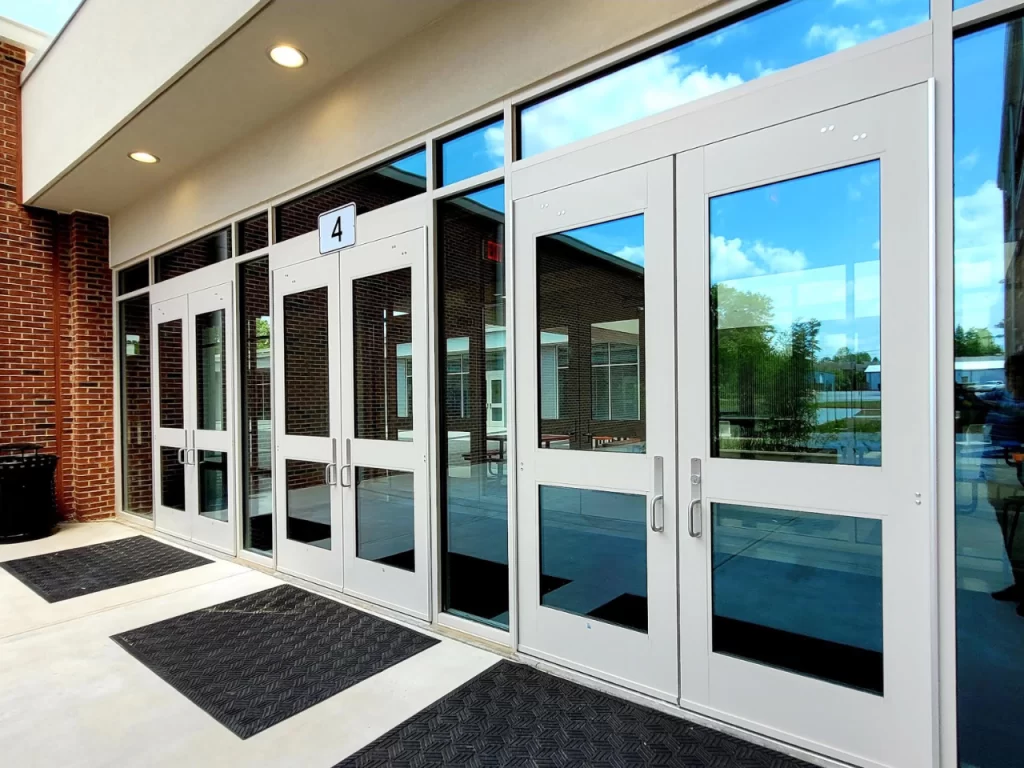
Most people know what bothers them before they ever look at films. Maybe a room heats up every afternoon. Maybe glare makes your monitor useless by 2 p.m. Maybe a recent break-in on your street made you think twice about the glass near your front door. In cases like these, tint works best for comfort issues, and security film helps when the concern is impact or forced entry.
Some places need both, like storefronts that stay hot from sun exposure but also sit close to sidewalks and busy streets. If you are not sure which direction to take, the team at DA-Customs can look at your windows, your layout, and your concerns and suggest the option that fits your space rather than a one-size-fits-all choice.
Installing window film is easier when you know what to expect. These steps outline how the process usually goes and what keeps the film in good shape long-term.
Step 1: Prepare the glass. The surface needs to be spotless. Any dust or residue becomes visible under the film once it cures.
Step 2: Install the film. Standard tint goes on fairly quickly because it is thin and easier to position. Security film takes longer due to its thickness and the precision needed for proper adhesion. Large panes or doors may also require edge anchoring for better performance.
Step 3: Allow the film to cure. Both films need time to dry. Some moisture under the surface is normal at first. Full curing time varies by film type and climate.
Step 4: Clean with care. Use soft cloths and non-abrasive cleaners. Manufacturers such as 3M and Llumar advise avoiding ammonia-based products because they can damage the film.
Step 5: Watch for early signs of wear. Peeling, bubbling, or lifting at the edges is not typical aging. It often signals adhesive issues or heavy sun exposure and should be checked sooner rather than later.
If you want help choosing the right film and installing it correctly, the team at DA-Customs can walk through your space, explain the options, and handle the entire process with proper materials and techniques.