
Transparent walls look clean, but unmarked glass leads to avoidable injuries and code issues. Distraction markers make panes visible and help you meet the glass distraction markers code requirements without losing light or style. For example, the latest edition of the International Building Code (IBC) includes rules about visibility and safety for glass in doors and walls. Studies even show that collisions with clear tempered glass often cause serious injuries, so adding markers isn’t just smart, it’s practical.
At D&A Customs, we offer solutions like the distracting band safety frost stripe that both meet code and enhance the look of your space, rather than ruining it.
If you’ve ever watched someone nearly walk into a glass door or done it yourself, you already understand why clear glass warning markers exist. These simple additions make large glass panels easier to see, so people don’t get hurt. They’re not just a nice extra—most states follow glass distraction markers code requirements that make them a must for offices, schools, and shops.
The U.S. Consumer Product Safety Commission reports that more than 20,000 people end up in the ER each year after walking into glass doors or panels. Even a simple frosted stripe, like a distracting band safety frost stripe, can stop that. These markers make spaces safer while keeping the open, bright design everyone loves. At D&A Customs, we help businesses choose markings that look good and keep them on the right side of code.
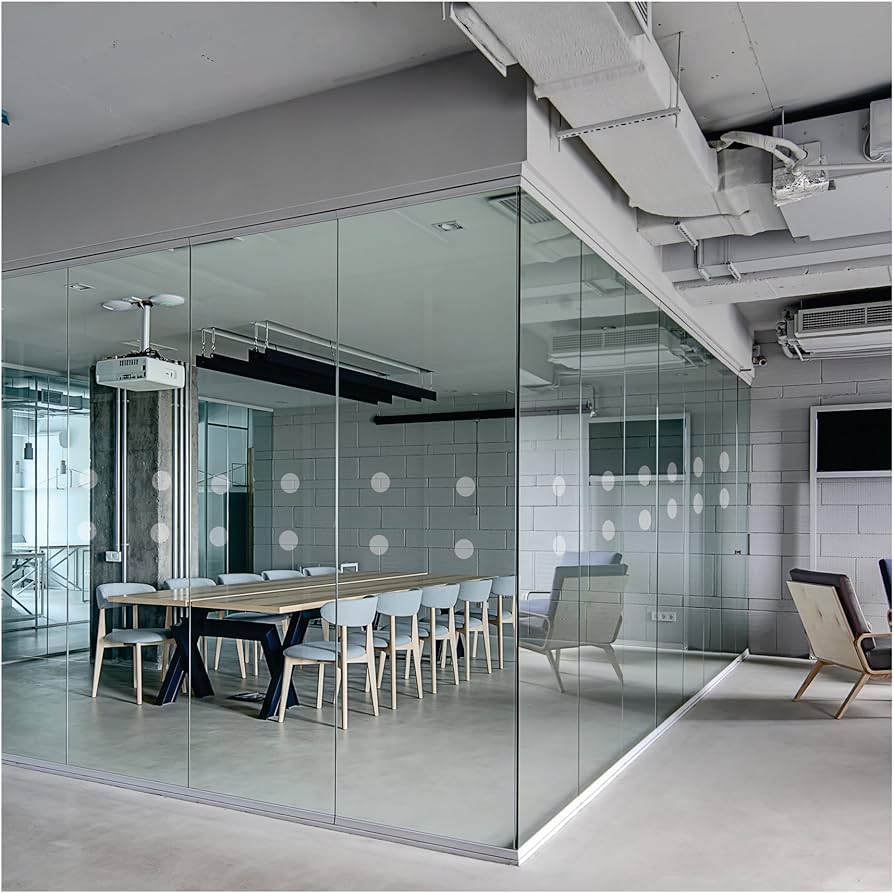
You don’t need distraction markers on every piece of glass, but there are a few key places where the glass distraction markers code requires them, and where they just make sense for safety. Here’s where they’re most often installed:
According to IBC Chapter 24, markings are needed on glass panels that extend close to the floor or sit near doors and walking paths. Even something subtle, like a distracting band safety frost stripe, can make the difference between a safe space and a painful collision.
We help clients decide exactly where these markers belong so everything looks intentional and code-ready.
Most inspectors want to see distraction markers at two eye-catching levels: about 30 inches and 60 inches from the floor. Those numbers aren’t random. The lower band lines up with someone seated or a child’s eye level, while the upper band sits in the direct line of sight for adults walking by. Together, they make sure the glass is visible to everyone, no matter their height or position.
The International Building Code follows this logic, calling for markings that are “readily visible” and easy to recognize. Most cities use that same rule when enforcing the glass distraction markers code requirements.
The glass distraction markers code ties into more than just stopping people from walking into walls. It also connects with other safety rules that cover exits, stairs, and emergency routes. Basically, if there’s clear glass near a space where people move fast or need to get out quickly, it has to be marked.
That’s why you’ll often see clear glass warning markers right next to exit doors or stairwells. They help people recognize barriers instantly. OSHA and local inspectors can even flag unmarked glass as a safety issue. According to NIOSH, better visibility cues help prevent confusion and reduce impact injuries.
At DA-Customs, we plan for all of that from the start, so your glass looks great, meets code, and keeps everyone safe.

Choosing the right material for your distraction markers depends on how long you want them to stay and what look you’re going for. Here’s a quick guide that makes it simple:
No matter which style you pick, the key is balance: something visible, durable, and suited to your space. At D&A Customs, we help match the right material to your project so it looks sharp and stands the test of time.
You don’t have to choose between safety and style. With the right distraction markers, you can meet the code and make your space look better. Offices, schools, and retail stores often use these markings to prevent accidents and guide people through the space, and tie in brand identity. Well-designed glass graphics can do triple duty: improving safety, reinforcing wayfinding, and enhancing the overall look.
Here’s how different design options work in real spaces:
At D&A Customs, we help clients choose clear glass warning markers that not only keep people safe but also fit seamlessly into the way their space feels and functions.
Installing distraction markers shouldn’t feel complicated, and with DA-Customs, it isn’t. We handle everything from the first site visit to the final inspection, making sure every detail meets the Glass distraction markers code and looks great in your space.
Here’s what happens when you work with us:
In short, we make the process simple and stress-free. Your glass ends up safer, stylish, and fully compliant without disrupting your day.
Adding distraction markers might seem like a small detail, but it makes a big difference. They don’t just look clean and modern, but keep people safe and help you meet the Glass distraction markers code without headaches later.
Before calling a project done, here’s a quick checklist to make sure you’re all set:
At D&A Customs, we handle all these details so you don’t have to stress about compliance or re-checks. Our job is to make your space safe, good-looking, and ready for approval the first time. Need help planning or updating your glass? Reach out for a quick quote—we’ll take care of the rest.