
Wall graphics often look easy once they are on the wall, but the real work starts much earlier. The type of paint, the wall surface, and even past cleaning products can affect how well vinyl sticks. That is why many installers check the wall first with a 3M adhesion test kit. This quick test helps confirm if the surface is right for graphics and helps avoid issues like peeling edges or graphics falling off after installation.
Wall graphics can fail even when the wall “looks fine,” and that is exactly why a quick adhesion test matters. 3M says the right wall prep and an adhesion test can be the difference between a successful install and a graphic that falls off the wall early, which is a pretty direct warning from the manufacturer. A common issue is modern low-VOC paints: they can feel dry to the touch but still create a surface that makes pressure-sensitive adhesives struggle, so the graphic may look okay at first and then start to lift later; 3M specifically calls out low-VOC painted walls and recommends cleaning with their enhanced method and testing to confirm the film can build adhesion.
Texture and contamination add risk too—3M’s substrate prep guidance explains that rougher surfaces reduce contact and that poor prep can lead to adhesion problems (and even void warranty coverage). The upside is that adhesion testing gives you a clear “go/no-go” signal before you print and install: 3M’s smooth wall checklist even sets a numeric benchmark (1000 g at 15 minutes) for eligibility under the 3M MCS Warranty, so you avoid guesswork, and you avoid finding out the hard way after seeing edges curl.
When we explain wall graphics at DA-Customs, we like to keep this part simple. The 3M adhesion test kit helps us confirm if a wall can hold vinyl before we move forward with print and install. Many walls look fine on the surface, but paint type or past cleaning can still cause issues. This test removes the guesswork and gives a clear answer early. 3M recommends adhesion testing for painted walls, with extra care for newer paint and surfaces with an unknown history. In real projects, this step helps avoid delays, wasted material, and last-minute changes.
We usually recommend this test in the following cases:
From our experience, a short test at the start saves time later and helps the project stay smooth from first visit to final install.
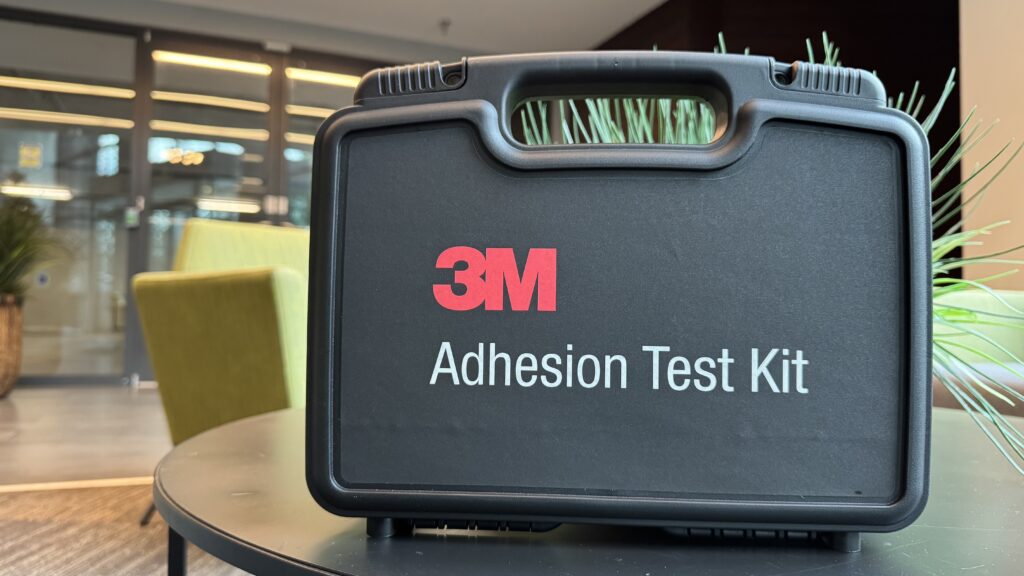

Before we run an adhesion test, we follow a clear order. This keeps the results accurate and avoids false readings that can cause problems later.
Following these steps helps us trust the test results and move ahead with the right plan.
Once the wall is ready, we keep the test process simple and consistent. This makes the results easy to trust and easy to explain to clients.
This quick process helps us decide the safest path forward and avoids surprises once the graphics are on the wall.
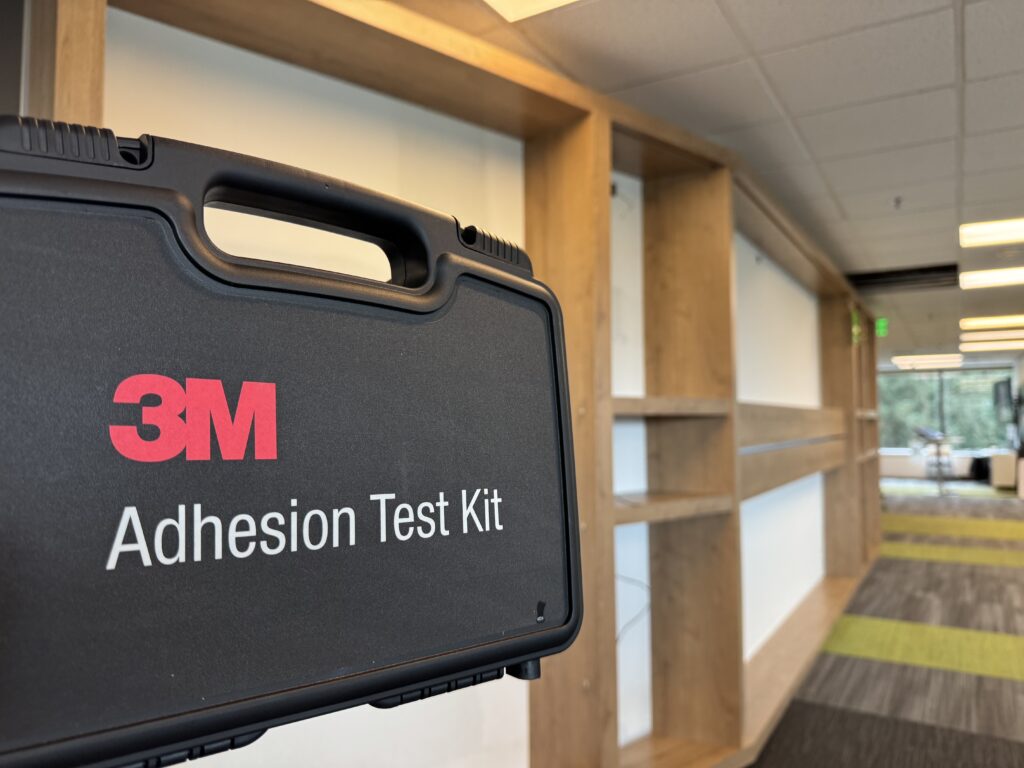
Once the test is done, the wall usually gives a clear answer. If the sample holds the weight without slipping or lifting, that is a good sign that the surface can support wall graphics with the right material. 3M uses a simple reference point of 1000 grams after 15 minutes for smooth walls, which helps us decide if a surface is suitable under recommended conditions.
If the sample starts to slide, lift, or fall, we treat that as an early warning. In most cases, this points to paint that has not fully cured, low-VOC paint, leftover cleaner, or light wall texture that limits contact. 3M explains that poor prep and paint type are common causes of weak adhesion, which is why testing matters before any real graphics go up.
From there, the decision stays simple. A strong result means we can move forward with confidence. A weak result means we stop, explain the risk, and adjust the plan before printing or installing. That way, clients know what to expect and avoid surprises after the graphics hit the wall.
When a wall fails the test, it is usually not the end of the project. It just means the wall needs a different approach before we move forward. Once we see the test result, the next steps are usually clear.
Here is how we handle it in real projects:
The test helps us avoid risk. Instead of pushing ahead and hoping for the best, we set clear expectations and choose a solution that actually works.
From our side at DA-Customs, this test often prevents the kind of problems no one wants to deal with later. Printing wall graphics, booking install time, and then fixing a failure costs far more than a short test during the site visit. 3M points out that proper wall prep and adhesion testing help reduce early failures and support long-term performance when the right materials are used.
For clients, this means fewer delays and fewer surprises. We know early on whether a wall will work, and if not, we adjust the plan before anything gets printed. That small step keeps projects moving and helps wall graphics stay in place instead of becoming a quick-fix job.
If you have ever tried to sort out the difference between standard window tint and security film, you likely noticed how similar they look but how differently people describe them. The truth is simple: tint helps with comfort issues like heat, glare, and privacy, while security film strengthens the glass to resist break-ins and accidental impact. Homeowners often ask about tint when their rooms feel too warm or their screens glare all afternoon. Store managers ask about security film after a break-in attempt or concerns about large street-facing windows. Once you understand what each film can and cannot do, choosing the right one feels much easier.
Glass creates comfort issues and security gaps, so choosing the right film affects more than looks. Many homeowners ask about tint because their rooms overheat or glare makes screens hard to use. Business owners usually ask about security film after a broken pane or a break-in attempt.
Standard tint focuses on heat control and privacy. According to the U.S. Department of Energy, windows are a major source of heat gain in buildings, so tint often helps with comfort. Security film solves another problem. It keeps shattered glass in place and adds resistance during forced entry or accidental impact.
Both films have value, but they are not interchangeable. A clear comparison helps avoid choosing a product that does not match the problem you are trying to solve.
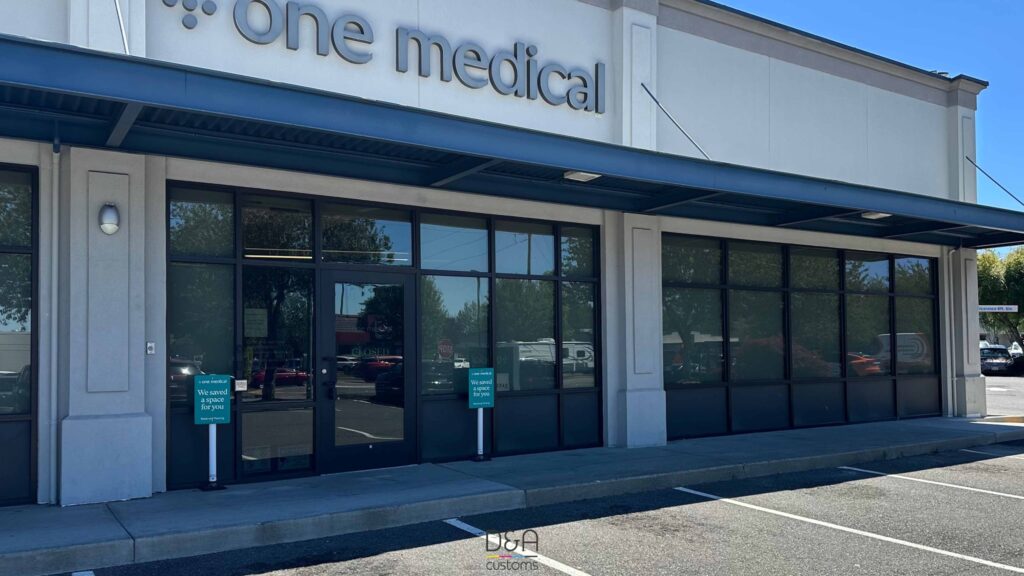
3M PRESTIGE FOR ONE MEDICAL
Standard window tint improves comfort and visibility but does not reinforce the glass. People usually choose it for:
These features improve daily comfort, but tint does not add strength or slow down forced entry.
Security film focuses on keeping glass intact during impact and slowing down forced entry. Its main functions include:
Security film improves safety and intrusion resistance, but it does not replace reinforced or laminated glass systems.
A quick chart often helps people see the real differences, especially when the films look almost identical on the glass. The table below shows how each option performs based on published specifications from major manufacturers.
| Feature | Standard window tint | Security film |
| What it’s built for | Comfort, heat control, glare reduction | Holding broken glass together and slowing entry |
| Typical thickness | Around 1–2 mil | 4–15+ mil, depending on the product line |
| How it handles impact | Glass breaks and falls apart | Glass breaks but stays attached to the film |
| What happens during a break-in attempt | Intruders get through the glass quickly | Film adds resistance and delays access, but does not stop entry |
| UV protection | Up to 99% (manufacturer data) | Up to 99% (manufacturer data) |
| Heat control | Often noticeable, especially in sun-heavy rooms | Usually low unless paired with a tinted film |
| Privacy | Strong daytime privacy when outside light is brighter | Depends on tint level; clear security films offer no privacy |
| Installation notes | Standard installation | May use stronger adhesives or edge anchoring systems |
| Typical lifespan | Around 10–20 years | Around 10–20 years |
Many homes and businesses need comfort and protection, so using both films together is common. A clear security film can go directly on the glass, and a tinted layer can sit on top to cut heat and glare. Manufacturers such as 3M and Llumar confirm that this stacked setup works when the films are compatible.
Some real examples make this clearer. Storefronts with large west-facing windows often pair security film with a dark tint so the glass holds together during break-in attempts while still keeping the space cooler in the afternoon sun. Home offices with floor-to-ceiling windows sometimes mix a neutral tint with security film to reduce eye strain and add protection for kids or pets around the glass. There are also hybrid films that offer tint and safety in one layer, although performance depends on the specific product line.
Combining films does not turn the window into a barrier, but it gives more comfort and more resistance than tint by itself.
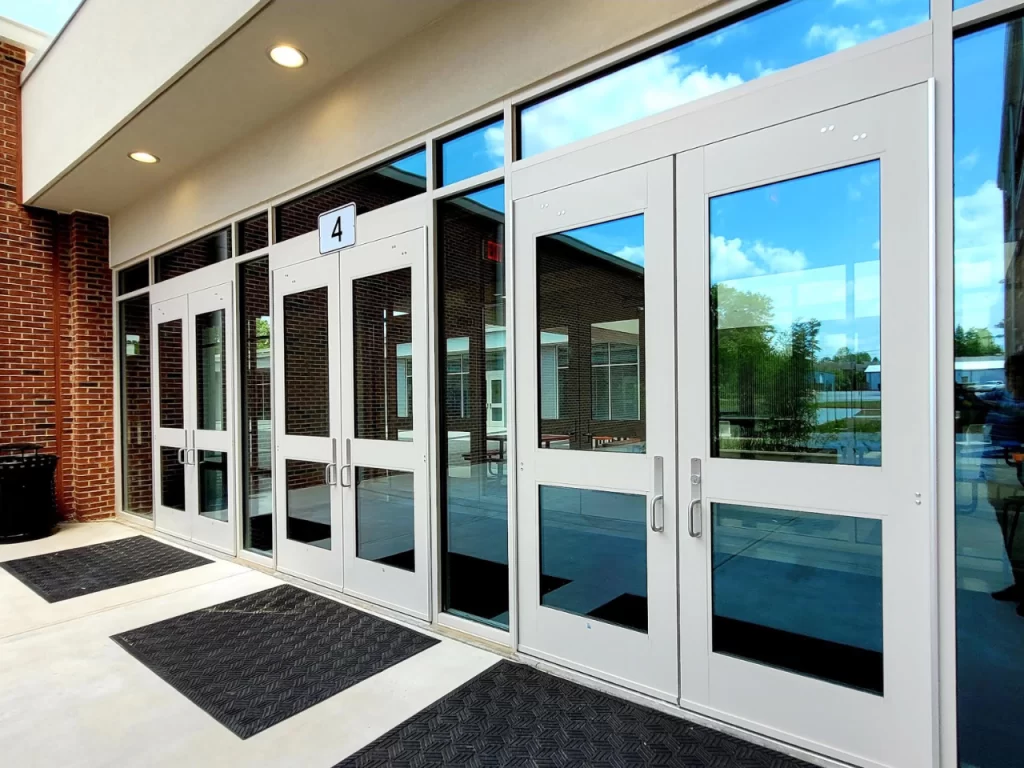
Most people know what bothers them before they ever look at films. Maybe a room heats up every afternoon. Maybe glare makes your monitor useless by 2 p.m. Maybe a recent break-in on your street made you think twice about the glass near your front door. In cases like these, tint works best for comfort issues, and security film helps when the concern is impact or forced entry.
Some places need both, like storefronts that stay hot from sun exposure but also sit close to sidewalks and busy streets. If you are not sure which direction to take, the team at DA-Customs can look at your windows, your layout, and your concerns and suggest the option that fits your space rather than a one-size-fits-all choice.
Installing window film is easier when you know what to expect. These steps outline how the process usually goes and what keeps the film in good shape long-term.
Step 1: Prepare the glass. The surface needs to be spotless. Any dust or residue becomes visible under the film once it cures.
Step 2: Install the film. Standard tint goes on fairly quickly because it is thin and easier to position. Security film takes longer due to its thickness and the precision needed for proper adhesion. Large panes or doors may also require edge anchoring for better performance.
Step 3: Allow the film to cure. Both films need time to dry. Some moisture under the surface is normal at first. Full curing time varies by film type and climate.
Step 4: Clean with care. Use soft cloths and non-abrasive cleaners. Manufacturers such as 3M and Llumar advise avoiding ammonia-based products because they can damage the film.
Step 5: Watch for early signs of wear. Peeling, bubbling, or lifting at the edges is not typical aging. It often signals adhesive issues or heavy sun exposure and should be checked sooner rather than later.
If you want help choosing the right film and installing it correctly, the team at DA-Customs can walk through your space, explain the options, and handle the entire process with proper materials and techniques.
We install genuine 3M film for this service — ask about 3M Security Film for Seattle, Bellevue, Tukwila & Renton.
Transparent walls look clean, but unmarked glass leads to avoidable injuries and code issues. Distraction markers make panes visible and help you meet the glass distraction markers code requirements without losing light or style. For example, the latest edition of the International Building Code (IBC) includes rules about visibility and safety for glass in doors and walls. Studies even show that collisions with clear tempered glass often cause serious injuries, so adding markers isn’t just smart, it’s practical.
At D&A Customs, we offer solutions like the distracting band safety frost stripe that both meet code and enhance the look of your space, rather than ruining it.
If you’ve ever watched someone nearly walk into a glass door or done it yourself, you already understand why clear glass warning markers exist. These simple additions make large glass panels easier to see, so people don’t get hurt. They’re not just a nice extra—most states follow glass distraction markers code requirements that make them a must for offices, schools, and shops.
The U.S. Consumer Product Safety Commission reports that more than 20,000 people end up in the ER each year after walking into glass doors or panels. Even a simple frosted stripe, like a distracting band safety frost stripe, can stop that. These markers make spaces safer while keeping the open, bright design everyone loves. At D&A Customs, we help businesses choose markings that look good and keep them on the right side of code.
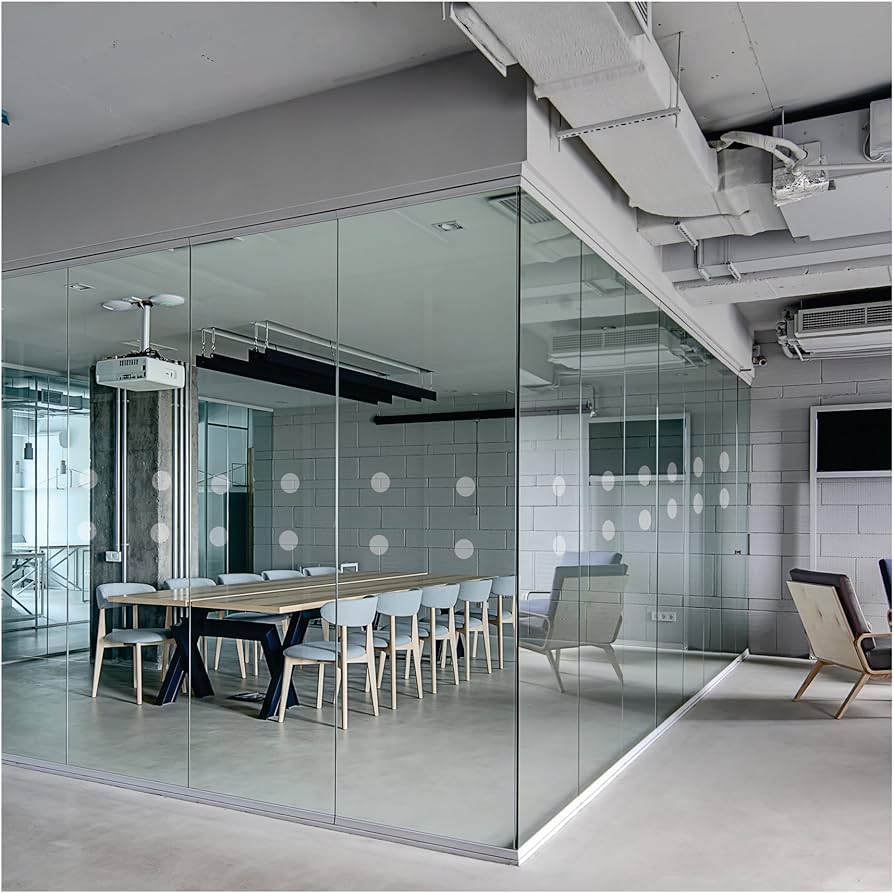
You don’t need distraction markers on every piece of glass, but there are a few key places where the glass distraction markers code requires them, and where they just make sense for safety. Here’s where they’re most often installed:
According to IBC Chapter 24, markings are needed on glass panels that extend close to the floor or sit near doors and walking paths. Even something subtle, like a distracting band safety frost stripe, can make the difference between a safe space and a painful collision.
We help clients decide exactly where these markers belong so everything looks intentional and code-ready.
Most inspectors want to see distraction markers at two eye-catching levels: about 30 inches and 60 inches from the floor. Those numbers aren’t random. The lower band lines up with someone seated or a child’s eye level, while the upper band sits in the direct line of sight for adults walking by. Together, they make sure the glass is visible to everyone, no matter their height or position.
The International Building Code follows this logic, calling for markings that are “readily visible” and easy to recognize. Most cities use that same rule when enforcing the glass distraction markers code requirements.
The glass distraction markers code ties into more than just stopping people from walking into walls. It also connects with other safety rules that cover exits, stairs, and emergency routes. Basically, if there’s clear glass near a space where people move fast or need to get out quickly, it has to be marked.
That’s why you’ll often see clear glass warning markers right next to exit doors or stairwells. They help people recognize barriers instantly. OSHA and local inspectors can even flag unmarked glass as a safety issue. According to NIOSH, better visibility cues help prevent confusion and reduce impact injuries.
At DA-Customs, we plan for all of that from the start, so your glass looks great, meets code, and keeps everyone safe.
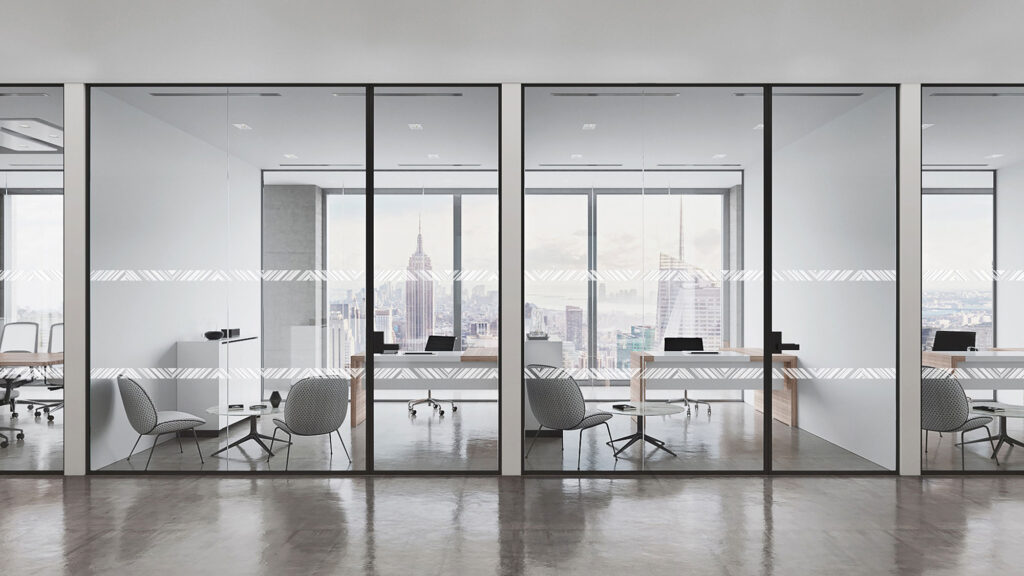
Choosing the right material for your distraction markers depends on how long you want them to stay and what look you’re going for. Here’s a quick guide that makes it simple:
No matter which style you pick, the key is balance: something visible, durable, and suited to your space. At D&A Customs, we help match the right material to your project so it looks sharp and stands the test of time.
You don’t have to choose between safety and style. With the right distraction markers, you can meet the code and make your space look better. Offices, schools, and retail stores often use these markings to prevent accidents and guide people through the space, and tie in brand identity. Well-designed glass graphics can do triple duty: improving safety, reinforcing wayfinding, and enhancing the overall look.
Here’s how different design options work in real spaces:
At D&A Customs, we help clients choose clear glass warning markers that not only keep people safe but also fit seamlessly into the way their space feels and functions.
Installing distraction markers shouldn’t feel complicated, and with DA-Customs, it isn’t. We handle everything from the first site visit to the final inspection, making sure every detail meets the Glass distraction markers code and looks great in your space.
Here’s what happens when you work with us:
In short, we make the process simple and stress-free. Your glass ends up safer, stylish, and fully compliant without disrupting your day.
Adding distraction markers might seem like a small detail, but it makes a big difference. They don’t just look clean and modern, but keep people safe and help you meet the Glass distraction markers code without headaches later.
Before calling a project done, here’s a quick checklist to make sure you’re all set:
At D&A Customs, we handle all these details so you don’t have to stress about compliance or re-checks. Our job is to make your space safe, good-looking, and ready for approval the first time. Need help planning or updating your glass? Reach out for a quick quote—we’ll take care of the rest.
Need glass markers or safety film installed by pros? Explore our window graphics and commercial window tinting — serving Seattle, Bellevue & Tukwila. Contact D&A Customs for a free quote.
Walk into any modern office or café, and you’ll notice how often people walk right up to a glass door before realizing it’s closed. It happens faster than you’d think, and sometimes with painful results. That’s where glass door stickers’ safety becomes more than just a detail—it’s a practical way to protect both visitors and employees.
A clear marker strip across transparent glass can prevent collisions, help people with visual impairments, and keep a business in line with ADA and IBC guidelines. According to the U.S. Consumer Product Safety Commission, glass-related injuries send over 150,000 Americans to emergency rooms each year, and a surprising share come from doors that weren’t visible enough. Simple safety decals can reduce that risk while keeping the clean, modern look most businesses want.
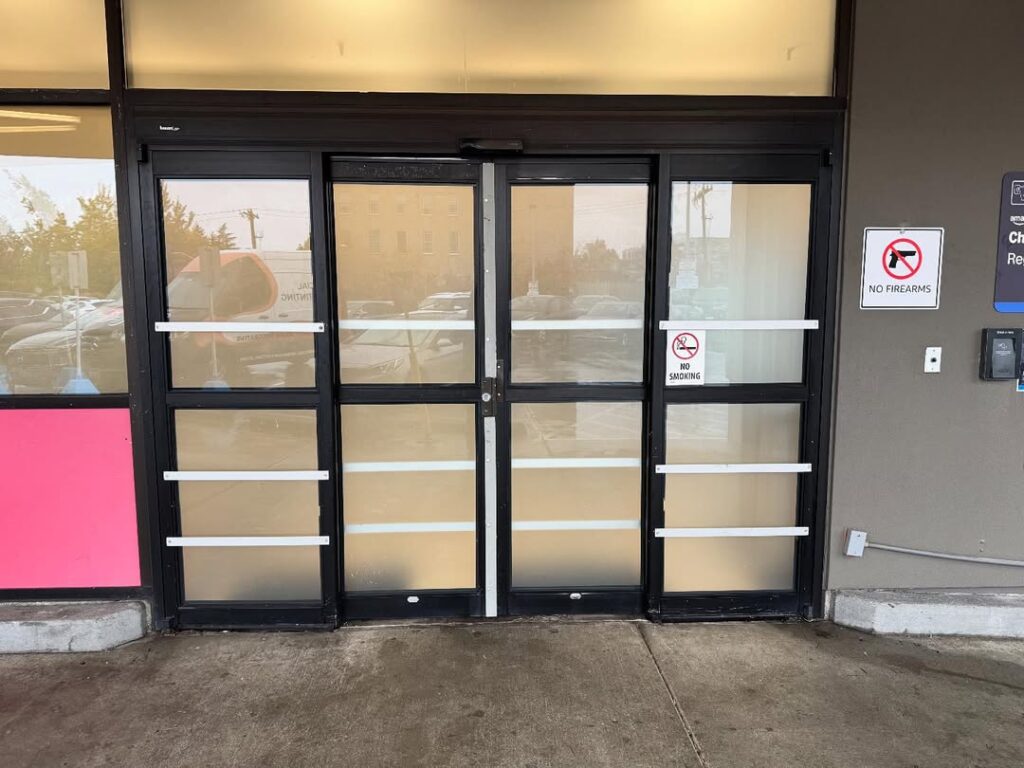
A glass door looks elegant until someone walks straight into it. That single accident can lead to injuries, damaged property, and even liability claims. So, why do glass door stickers safety matters?
Let’s discuss all the pros in more detail.
Most people see glass door stickers as a boring requirement, but in reality, it’s a clever way to combine protection, compliance, and design.
When safety, compliance, and style work together, you get more than just a sticker—you get a smarter, safer entrance that fits your brand.
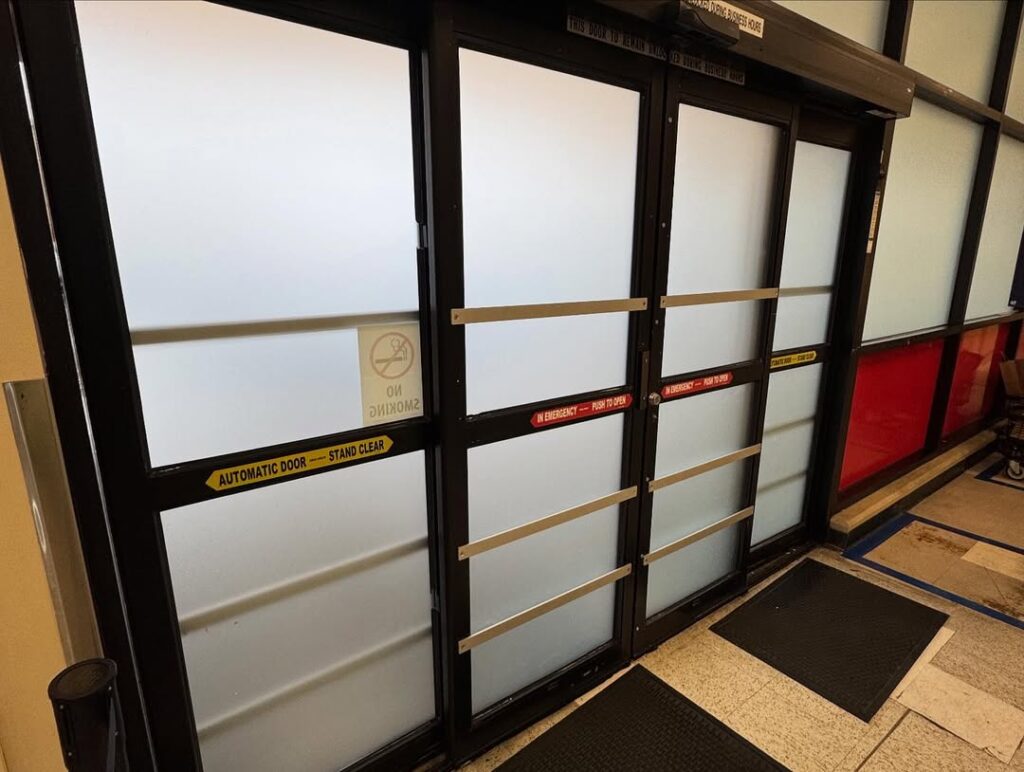
When it comes to glass door stickers safety, the design you pick matters as much as where you place it. A good marker not only keeps people from walking into the glass but also fits the look of your space. Most businesses fall into one of a few clear options:
Each of these styles can be customized—frosted white for contrast, grey for a subtle tone, or even tinted to match brand colors. The trick is to choose a pattern that looks intentional and stays visible no matter the lighting. That way, you get a door that’s safe, stylish, and compliant.
The easiest way to mess up with glass door safety stickers is by picking a design that disappears once the sun hits it. What looks great in the catalog can turn nearly invisible in real life. The rule to remember is simple: light on dark, dark on light. A frosted or white stripe pops against tinted glass, while a darker gray or black decal works best on clear panels.
Light changes everything, too. Morning glare, afternoon reflections, or bright lobby lighting can all make glass hard to see. That’s why matte finishes are the go-to choice, they cut down glare and stay clear from every angle. Many offices use etched frost films because they look high-end and don’t peel, while shops with bold lighting often go for solid, opaque patterns that grab attention. The goal is simple: no matter the time of day or the lighting, people should always see the glass before they feel it.
Once you’ve got the right look for your glass door safety stickers, the next step is keeping them in good shape. Doors get a lot of traffic (hands, carts, cleaning sprays), so your stickers need to handle daily life. The best choice is high-quality vinyl film, the kind that lasts 5 to 7 years indoors without peeling or fading.
As for cleaning, a little care goes a long way. Skip the ammonia-based sprays, they can eat away at the adhesive. Instead, use mild soap and water or a soft cloth with a bit of alcohol for tougher spots. It takes just a minute, but keeps the stickers bright and visible. When you treat them right, they’ll stay clear, crisp, and professional-looking for years.
Installing glass door safety stickers with D&A Customs is simple and stress-free. You don’t have to guess where the decals go or worry about code details—the team handles it all with a clear, step-by-step process that keeps your doors safe and sharp-looking.
Here’s how it usually goes:
D&A Customs treats every project like a custom job—efficient, code-conscious, and visually consistent from one door to the next.
In the end, glass door safety stickers aren’t just about ticking a box for inspectors, but about keeping real people safe every day. A clear marker can stop a delivery driver from walking into a glass panel, help a child spot a door they couldn’t see before, or prevent a customer from an embarrassing (and painful) collision. It’s a small fix that makes a big difference.
D&A Customs handles the whole process with care, from precise measuring and design previews to clean, bubble-free installation. The materials we use last for years, resist scratches, and stay easy to clean. Businesses choose this upgrade because it’s smart, affordable, and instantly improves safety without changing the look of their space.
Want glass door stickers installed to code? Explore our custom window stickers and window graphics — serving Seattle, Bellevue & Tukwila. Contact D&A Customs for a free quote.
Glass walls make any space feel open and modern, but they can also be tricky because people don’t always see them until it’s too late. That’s where glass awareness stickers step in. A few smart markings on doors and partitions can stop accidents, keep your space up to code, and still look great. This guide walks you through what glass awareness means, why it matters, and how to get it right without losing your style with D&A Customs.
Glass awareness means marking transparent surfaces so people can see them before they walk into them. It sounds simple, but it prevents real injuries. In the U.S., tens of thousands of people visit emergency rooms every year because of glass collisions, according to the American Academy of Ophthalmology. Most of these accidents happen in offices, schools, and public buildings with large glass doors or partitions. A small, well-placed band of frosted film or decals at eye level can stop that from happening.
These markings also help meet accessibility and safety codes in most states, which require visible indicators on clear glass. At the same time, they can serve a design role, using subtle patterns or a company logo, which keeps the space professional without looking cluttered. In short, glass awareness combines safety, compliance, and design in one small but important detail.

In the U.S., glass awareness isn’t handled by one single rulebook—it’s a mix of national codes and local tweaks. Here’s how it breaks down in plain terms:
When you stick to these simple rules, your project stays safe, looks clean, and passes inspection the first time.
Not all glass markings are the same. The right material depends on what your space needs: privacy, visibility, or a bit of both. Here’s a quick look at what usually works best:
In short, the material you pick should fit both your look and your local code. The right choice makes your glass safe, compliant, and still good-looking.
Every successful glass awareness project starts with a solid plan. At D&A Customs, we handle every step carefully so your space meets code, looks good, and stays safe. Here’s how the process works:
By the time we’re done, your glass doesn’t just pass inspection—it fits your space like it was part of the design from day one.
Glass awareness doesn’t have to look dull or technical. With a few smart design choices, it can actually highlight your brand and make the space feel more intentional.
A well-thought-out design keeps people safe and makes every pane of glass feel intentional, not just compliant.
Even simple projects can go wrong if the details are off. At D&A Customs, we’ve seen a lot of glass awareness installs over the years, and a few common mistakes always show up. Here’s what we help our clients avoid:
Our rule of thumb? Keep it visible, consistent, and simple. It’ll pass inspection and look good doing it.
Glass awareness is about meeting code, keeping people safe, and making your space look sharp. A clean frosted band or subtle pattern can stop someone from walking into a glass wall, pass inspection, and still match your style.
If your business is in Bellevue, Tukwila, or anywhere in the Seattle area, we can help you sort it all out. We’ll check local rules, create a mockup that fits your space, and handle the install start to finish. No guesswork, no stress, just glass that looks good and does its job.
Need help with your next project?
Reach out to D&A Customs for a quick quote or on-site review. We’ll make sure your glass is safe, compliant, and ready to impress.
Planning glass safety film or markers? Explore our window graphics and commercial window tinting — serving Seattle, Bellevue & Tukwila. Contact D&A Customs for a free quote.
Glass walls and doors look great, but sometimes they can be a little too invisible. One quick way to fix that is by adding round markers—those small circles you see on glass panels in offices, shops, and schools. They make the glass easier to see, help prevent accidents, and still keep that clean, modern look everyone likes. At D&A Customs, we install round markers that check all the safety boxes and look good doing it.
If you’ve ever seen someone walk right into a glass door, you know why these rules exist. Building codes in the U.S., like the ADA Accessibility Guidelines and the International Building Code (IBC), say that large glass panels and doors need visible markings so people don’t accidentally hit them.
Most inspectors look for markers placed around 30 inches and 60 inches above the floor, so they’re visible to adults, kids, and wheelchair users. Cities like Seattle and Bellevue stick to these same standards, and local building departments often check contrast and placement before signing off. Following these simple rules keeps your space safe, up to code, and free from the “ouch” moments.
We’ve all seen it happen: someone’s walking, checking their phone, and bam… straight into a glass door. It’s not just embarrassing; it can lead to real injuries. According to the U.S. Consumer Product Safety Commission, thousands of people end up in the ER every year because they didn’t see a glass panel in time.
Round markers fix that problem fast. Those simple dots make the glass stand out, even when it’s spotless. They’re especially helpful in busy spots like office lobbies, restaurants, and schools, where people move quickly and might not notice clear barriers. And for business owners, they’re a smart way to avoid accidents, property damage, and insurance headaches—all without ruining that clean, modern look.
When it comes to passing inspection, it’s not just about sticking dots on the glass — it’s about doing it right. Most cities, including Seattle and Bellevue, follow the same basic rules that keep everyone safe and happy. Here’s what inspectors usually check for:
At D&A Customs, we always review your local code before installation and make sure your glass meets every requirement, so you stay compliant and your space still looks great.
When you book an installation with us, you won’t have to guess what’s going on. We handle everything from the first measurement to the final inspection. Our goal is to make the process fast, clean, and stress-free while keeping your space safe and up to code.
It starts with a quick on-site visit. We measure your glass, check the layout, and confirm local code requirements so the markers land exactly where they should, typically at 30 and 60 inches above the floor. Then we move to the design phase, where you’ll see a digital proof showing dot size, spacing, and overall pattern. You can make changes before we start, so the final look fits your brand and space perfectly.
Once everything’s approved, our installers arrive with the precision tools they need to get the job done right. We prep the surface, align every row using laser guides, and apply each circle by hand to avoid bubbles or uneven spacing. After the installation, we do a final walk-through: checking height, contrast, and finish, and hand over a care sheet with simple cleaning tips.
Most projects wrap up within a day, depending on the amount of glass. Whether it’s a single storefront or a multi-floor office, you can expect clean lines, zero mess, and markers that look like they were always part of the design.
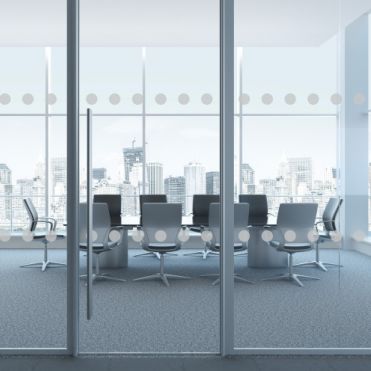
Adding round markers to your glass is one of those upgrades that makes a big difference without draining your budget. Prices vary based on a few things, mostly the amount of glass, the design you choose, and how easy the panels are to reach.
Here’s what usually shapes the cost:
Most projects take 1–2 days from start to finish, while larger jobs may need up to 5 days. You’ll always get a clear quote from D&A Customs before we start, so no surprises, no vague “starting from” numbers, just honest pricing and a schedule that works for you.
It doesn’t take much to make glass safer; just a few well-placed dots can prevent painful accidents and failed inspections. Whether it’s a storefront where people come and go all day, an office with full-height partitions, or a school hallway with endless glass panels, round markers keep everyone a little safer without changing the design you worked so hard to create.
At D&A Customs, we’ve installed markers on everything from café doors in Bellevue to office walls in Tukwila, and we know exactly what local inspectors look for. We’ll measure, design, install, and check every detail before you even have to ask.
Want to make your glass safer and still look great?
Reach out to us and we’ll give you a free quote and help you choose a style that fits your space perfectly.
If you’ve spotted the Orenji Sushi Food Truck cruising around Issaquah, you know it’s hard to miss. That eye-popping vinyl wrap? Yeah, that’s our work at D&A Customs, and it’s helping Orenji turn heads wherever it parks. Featured on FOX 13 Seattle’s Food Truck Friday, this mobile sushi spot is serving up fresh vibes and bold branding, thanks to a wrap that’s as vibrant as the food. Let’s discuss how our custom wrap makes Orenji’s food truck a rolling standout in the Greater Seattle scene.
We’re all about making vehicles pop, whether it’s a food truck in Issaquah or a van in Tukwila. Using top-notch 3M and Avery Dennison vinyl, we craft wraps that are tough, sharp, and scream personality. For Orenji’s food truck, we brought our A-game, turning their vision into a mobile masterpiece. Folks love our process—collaborative, fast, and fun. Just check out what customers say: we’re easy to work with, quick on delivery, and obsessive about getting every detail right.
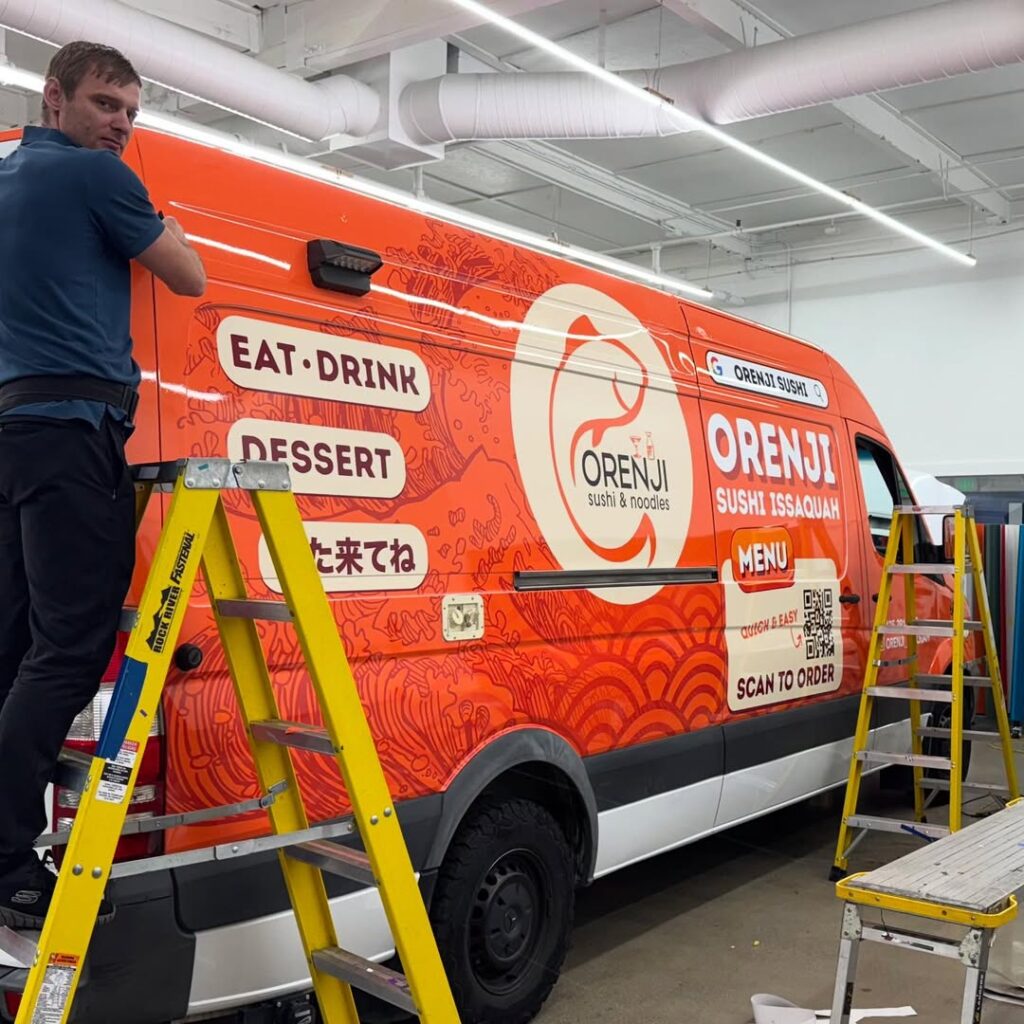
Orenji’s food truck wrap is a total vibe. We took their logo and Japanese-inspired style and cranked it up with bold colors and clean graphics. It’s not just a wrap—it’s a moving billboard that screams “Orenji Sushi” whether it’s parked at a brewery or rolling through a festival. Here’s what makes it special:
That’s the kind of impact we aim for.
This wrap isn’t just about looking good—it’s a marketing machine. Here’s how it’s helping Orenji get noticed:
Turning Orenji’s food truck into a showstopper was a blast.
Orenji Sushi’s food truck is killing it in Issaquah, and our custom wrap is a big reason why. With bold design, tough vinyl, and a pro finish, it’s turning the truck into a mobile magnet for attention. Whether it’s parked at a festival or rolling through town, Orenji’s wrap is getting them noticed, and we’re stoked to be part of it. Want your vehicle to stand out like Orenji’s? Swing by da-customs.com for a free quote and let’s make your brand pop!
Watch a video about the Orenji Sushi Food Truck from FOX 13 Seattle here.
School safety starts with smart choices, not complicated systems. While alarms and drills play their part, the actual structure of a building can often decide how well it holds up in a real emergency. One weak point stands out again and again—glass. That’s where safety window films come in. And thanks to available federal grants, schools don’t have to carry the cost alone.
Right now, schools have access to federal grants that help cover real security upgrades, like safety and security window films. These grants support critical measures that make a difference during emergencies. The film isn’t just for privacy; it’s designed to slow down intruders and give schools more time to respond. That extra time could mean everything during a crisis.
If you’re a parent, teacher, or school staff member, you don’t have to figure this out alone. We can walk you through the details and provide your school with the information it needs to apply.

Let’s be real—glass isn’t built to stop anyone. Most schools have big windows and glass doors that look nice but break way too easily. In a serious situation, it becomes a big problem. One hit, and someone can be inside in seconds. It doesn’t take special tools or a complicated plan—just force. That’s why so many safety improvements start with the glass. It’s the easiest way in, and also one of the easiest parts to strengthen.
Safety film won’t turn regular glass into armor, but it makes a huge difference when seconds count. If someone tries to break a window, the film holds the shattered glass in place instead of letting it fall apart. That makes it much harder to get through—and slows everything down. During a break-in or an emergency, even 30 extra seconds can save lives.
Here’s why schools across the country are already using it:
If you’re a parent, teacher, principal, or part of a school board, you can help start this conversation. Most schools have tight budgets and don’t know where to begin when it comes to applying for grants or picking the right safety upgrades. That’s where we step in.
At D&A Customs, we install 3M™ Safety and Security Window Films, and we’re proud to be a 3M Authorized Prestige Window Film Dealer. That means schools get trusted materials and expert work. We also help with the paperwork by providing detailed specs and support that your school can use when applying for funding. You don’t have to do it alone—we’re here to make it simple.
If your school hasn’t installed safety window film yet, now’s the time to ask why. A simple message from a parent, teacher, or PTA can start the process. Grants are available now, but they won’t be forever. We’ll provide everything your school needs to apply and get moving. One small push can lead to a safer place for every student inside.
What makes it special? D&A Customs applied a full-body vinyl film that mimics decades of weathered blue paint and deep brown oxidation while the real stainless steel stays untouched. High-resolution printing, matte laminate, and seamless panel alignment turn the effect into a show-stopping illusion—viewers need to tap the body to realise it is film, not rust. Tesla’s own wrap programme offers colour films, yet nothing this radical.
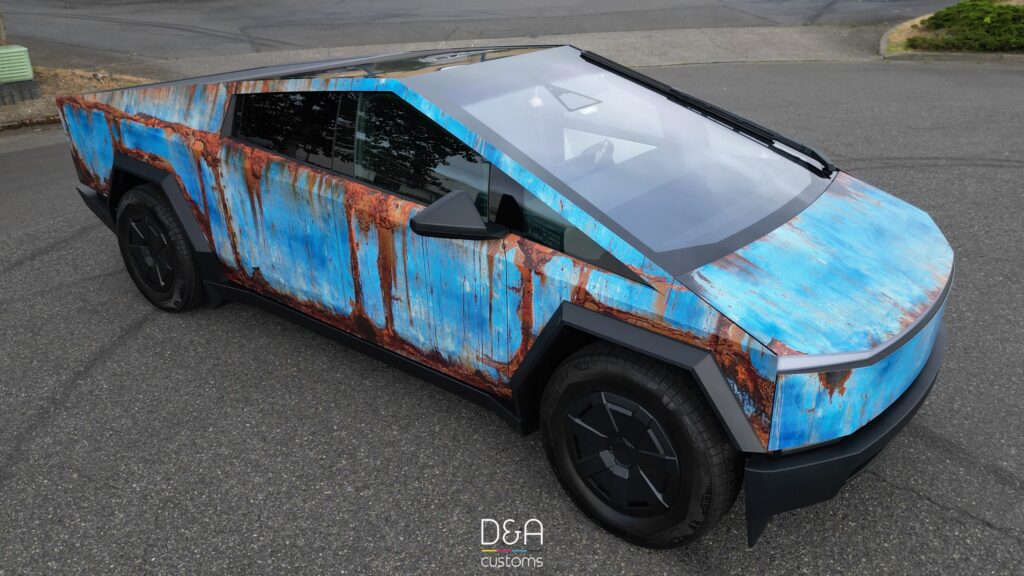

Thanks to D&A’s team, clients can choose alternative effects—brushed copper, forged carbon, even chameleon pearl—if a patina is not their style. Paint-protection film or ceramic coating can also top the wrap for extra scratch resistance.

Ready for a signature Cybertruck? Contact D&A Customs to sketch your concept and drive out with a one-of-a-kind finish.
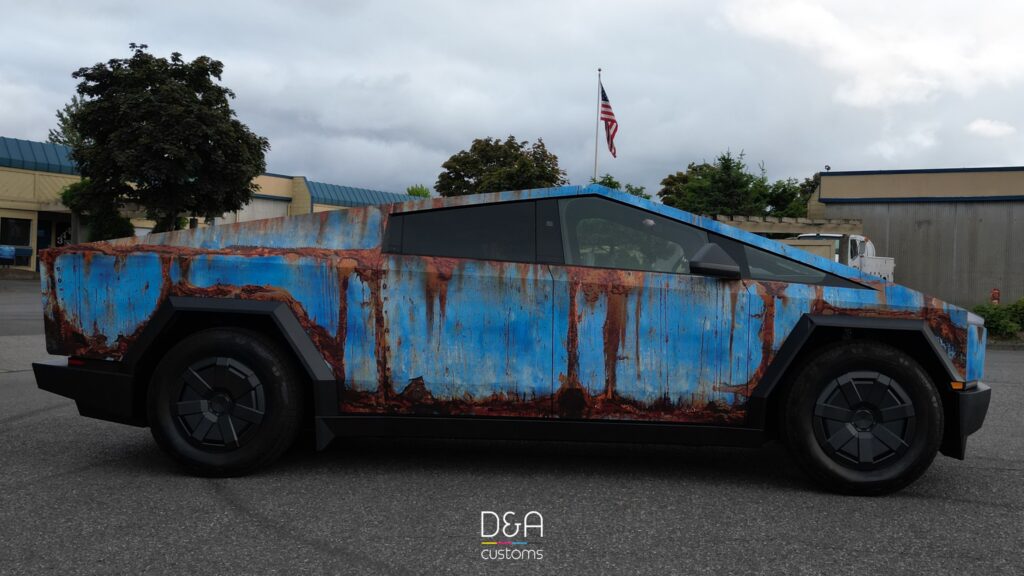
Wraps don’t last forever. A little scratch, a peeling edge, or a faded panel can mess up the whole look. And when that happens, most people ask the same thing—should I fix just the damaged spot or redo the entire wrap? In this article, we’ll break it down in simple terms so you can figure out what actually makes sense for your car and your budget.
Vinyl wraps take a lot—sun, road debris, pressure washers—but even the best jobs can show wear. Based on industry reports, most wraps last 5 to 7 years, but damage can show up much sooner if the car’s outside all the time or wasn’t cleaned properly. From what I’ve seen, wrap issues usually fall into two groups.
Smaller problems:
These can usually be repaired without redoing everything.
Bigger damage includes:
At that point, it’s not just about looks—the wrap starts losing its protection and durability.
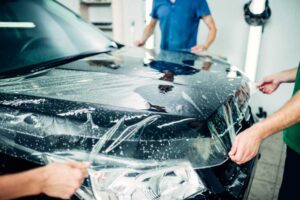
If the damage is small and the rest of your wrap still looks solid, a repair might be all you need. Say your bumper gets scratched or one corner starts peeling—there’s no reason to redo the whole car. Most quality wraps like 3M or Avery last around 5 years, but little issues can show up after a year or two, especially if the car’s outside a lot.
Repair usually makes sense when:
For example, fixing a single panel might cost around $250. If your wrap is a common color like satin black or matte gray, the new piece will blend in pretty well. You’ll save a good chunk of money and still have the car looking clean.
If the wrap’s looking rough all over—fading, peeling, or cracking in more than one spot—it’s usually time for a full rewrap. Vinyl starts breaking down after about three years, especially on roofs and hoods that take the most sun. At that point, patching one area won’t help much. You’ll end up chasing problems one panel at a time.
A full rewrap makes more sense when:
Let’s say your satin red wrap has faded to a dull pink on the roof and hood. Even if the doors still look okay, any new panel will stand out. A full rewrap gets the car looking brand new again—and gives you a chance to switch things up if you’re bored of the current look.
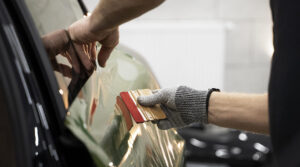
Still not sure what to do? Here’s a simple way to figure it out—take a walk around your car and look at the damage from a few steps back. If it catches your eye every time or bugs you when the light hits it just right, a repair probably won’t cut it.
Here’s what usually helps people decide:
At the end of the day, it comes down to what you want. If the damage is small, and you’re fine with a quick fix, go for it. But if the wrap feels tired, or you want a clean slate, a full rewrap might feel a lot better every time you see your car.
Wraps get beat up—it happens. A small scratch or lifted edge doesn’t mean you need to start from scratch. If the rest of the wrap still looks solid, a quick repair can keep your car looking sharp without spending a fortune. But if things are peeling all over or the color’s faded out, rewrapping just makes more sense.
Best move? Let a shop take a look and give you real advice. At D&A Customs, we’ve seen it all—from tiny fixes to full makeovers. Sometimes, all it takes is one clean patch. Other times, a full rewrap gives your car that fresh, finished look again. Either way, you’ve got options.