
Most commercial leases limit what tenants can do to a space. That includes the windows. Window film is one of the most common upgrades tenants want—for privacy, comfort, or branding, but it can create problems if you choose the wrong type or skip approval.
Many landlords allow window film. The issue is usually the film type, how it’s applied, and whether it can be removed cleanly when you leave. This article covers what’s typically permitted, what puts you at risk, and how to approach window film without jeopardizing your deposit or your lease.
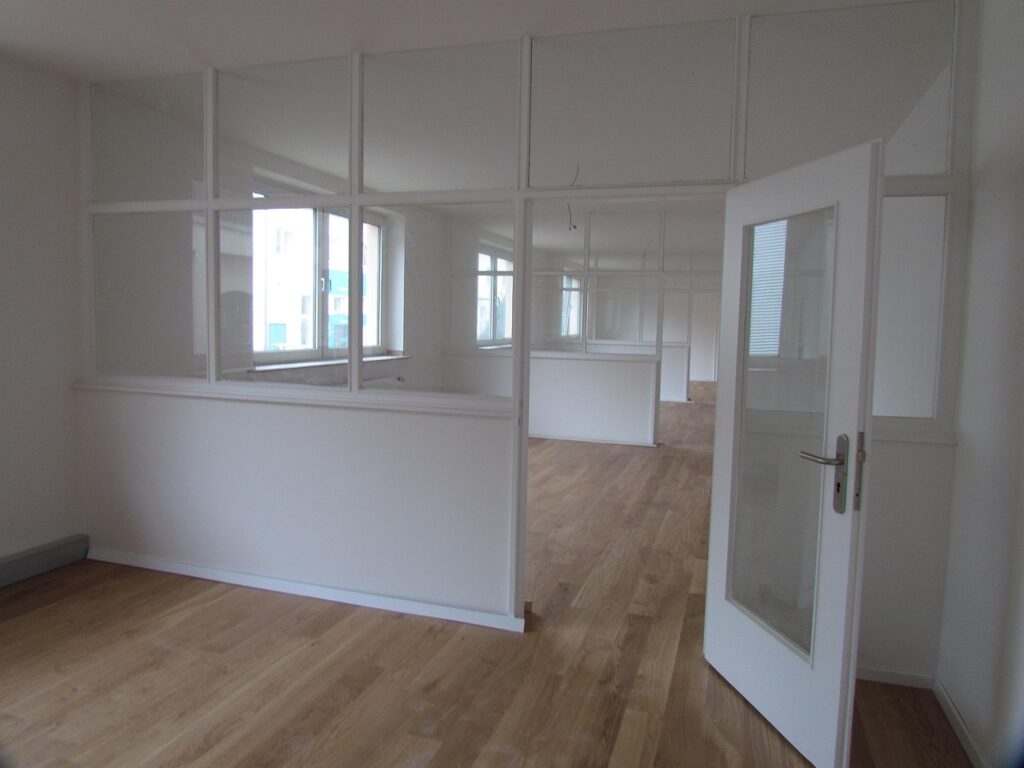
In most cases, yes. But only with the right film and the right approval process. Commercial leases usually include an “alterations” clause that requires tenants to get written permission before making changes to the space. Windows fall under that clause in most standard lease agreements.
Some landlords treat window film the same as painting, like a cosmetic change that’s acceptable with approval. Others treat it as a structural alteration requiring full restoration at move-out. The difference often depends on the film type and how it’s installed.
The safest first step is reading your lease. Look for language around “alterations,” “modifications,” “improvements,” or “restoration.” If the lease requires returning the space to its original condition, removable film is the right path.
Landlord policies vary. Some property managers have clear rules about film. Others leave it to interpretation. The table below covers common patterns based on standard commercial lease terms across the US market.
Before starting, one step cuts most disputes: share the product spec sheet with your landlord or property manager before ordering anything.
| Category | Typically allowed | Typically restricted |
| Film type | Removable, low-tack adhesive film | Permanent adhesive film |
| Privacy film | Frosted or decorative film on interior glass partitions | Heavy tinting on exterior-facing windows without approval |
| Branded graphics | Perforated or removable vinyl on interior glass | Permanent graphics on exterior windows |
| Security film | Usually allowed with written landlord approval | May conflict with existing window warranty terms |
| Solar/heat control film | Often allowed if the film is removable and doesn’t alter the exterior | Dark tints that change the building’s exterior appearance |
| Removal requirement | Film must peel off without adhesive residue | Damage to glass or frames—tenant pays for repair |
Most disputes come from tenants who assumed approval wasn’t needed, or who chose a film type without checking the lease language first.
Three film categories work well in leased office spaces. All three can be removed without damage when the lease ends.
Removable film uses low-tack adhesive or static-cling technology to stay in place without permanently bonding to the glass. 3M’s window film line includes products designed for temporary commercial applications. These films peel off cleanly, even after years of use, and don’t leave adhesive behind.
This option works well for solar control, glare reduction, and light privacy. It’s common in open-plan offices with west- or south-facing windows where afternoon sun makes screen work difficult.
Frosted film gives glass a translucent appearance. It blocks direct sightlines without blocking light. Most frosted films used in commercial settings are also removable, which makes them practical for tenant spaces.
The most common applications are conference rooms, reception areas, and offices adjacent to public corridors. A frosted band at eye level creates privacy without turning the space into a closed room.
Branded film includes cut vinyl graphics, frosted logos, and decorative patterns applied to interior glass partitions or entry doors. When made from removable vinyl, this type of film peels off in one pass without heat guns or chemical solvents.
These options are designed to be removed cleanly without leaving residue or causing damage. That makes them viable for tenants who want a finished, branded look without committing to permanent changes.
A few mistakes come up repeatedly when tenants install window film without reviewing their lease first.
Finally, skipping written approval is the single mistake that creates the most disputes. A verbal agreement from a property manager doesn’t protect you if building ownership changes or the manager moves on.
Traditional office renovations in leased spaces create complications. Walls, ceilings, and flooring often require permits. Many leases prohibit structural changes entirely. Restoration costs at the end of a lease can run into thousands of dollars.
Window film addresses heat, glare, privacy, and branding without touching the structure of the space. For tenants in buildings with large glass facades, that’s a practical advantage over any renovation approach.
Cost is also a factor. According to the U.S. Department of Energy, solar control window film can reduce cooling loads in commercial buildings, which translates to lower utility bills during the lease term. That benefit comes with no permanent commitment and no permit process.
Films install in hours rather than days. With the right product, it leaves no trace at move-out. For most commercial tenants, the math is straightforward.
A professional installer does more than apply film. We help you choose the right product, confirm it’s removable, and document the installation, so you have a clear record if questions come up later.
We can also help prepare documentation for landlord approval, including product spec sheets, adhesive ratings, and removal procedures. That paperwork speeds up the approval process and reduces back-and-forth with property management.
For tenants in buildings with strict lease terms, that supports matters. Choosing the wrong film due to a miscommunication with an online retailer creates problems that are difficult and expensive to correct after installation.
We have worked in leased spaces before, so we know which films landlords typically accept and which products tend to create disputes.
If you’re in a leased office and want to add privacy, reduce glare, or put your brand on the glass, D&A Customs can help you do it without risking your lease.
Our team works with commercial tenants across the Seattle area and understands both installation and lease requirements. We help you choose the right film, install it properly, and avoid costly mistakes when it’s time to move out. From removable solar control film to frosted privacy panels and branded vinyl graphics, every solution is selected with lease compliance in mind.
Reach out to D&A Customs to discuss your space. If you have questions about specific lease language, bring it to the conversation—the team has enough experience with commercial leases to help you read the relevant sections.
Call 425-633-6288 or fill out the form to get a free quote.